How to choose a kitchen fitter in Bristol: questions to ask and red flags
By Farah Moreau · Updated 2026-07-08
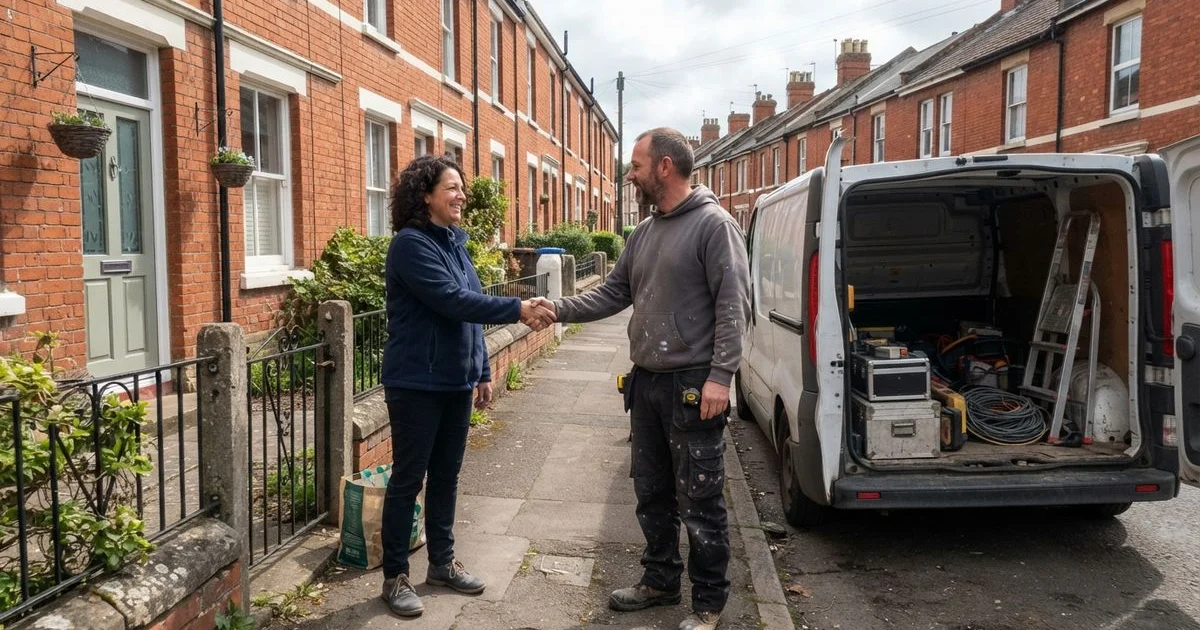
The Bristol kitchen fitters covered by this directory range from flat-pack assembly to fully bespoke joinery, and picking between them on price alone is how jobs go wrong. The fitters worth hiring tend to share a few habits: clear paperwork, a straight answer about who does the work, and a track record you can actually verify. Here’s what to check before you sign anything.
Questions worth asking upfront
- Who’s on site day to day? Some businesses use their own employed fitters, others bring in subcontractors project by project. Neither is automatically wrong, but you want to know who is actually accountable if something goes wrong.
- Is plumbing and electrical work handled in-house or passed to another trade? If it’s subcontracted, ask who’s liable if that trade’s work causes a problem later.
- What happens if something unexpected turns up? Damp, uneven floors, or old wiring behind existing units are common once a kitchen is stripped out, especially in Bristol’s older housing stock. A fitter who has a clear answer for how that’s handled and costed is more experienced than one who insists it never happens.
- What’s the realistic timeline, in writing? Ask for a day-by-day sequence, not just a finish date, so you know which days involve no water, no electrics, or major disruption.
- What’s covered under warranty, and for how long? Doors warp, hinges sag, worktop joints can open up. Find out what’s covered before you pay a deposit, not after something fails.
Red flags worth taking seriously
| Warning sign | Why it matters |
|---|---|
| No written, itemised quote | Makes it impossible to compare fairly or hold the fitter to the original price |
| Reluctant to name subcontractors | You lose the ability to check who’s actually doing plumbing or electrical work |
| Asking for most of the payment upfront | Shifts nearly all the financial risk onto you before work has started |
| No recent reviews, or only very old ones | A pattern from years ago tells you little about current standards |
| Vague or shifting start dates | Often a sign of overbooking, which tends to mean a rushed or interrupted job |
| Can’t show a completed job in person | Photos can flatter a finish that looks different close up |
How to judge quality before you commit
Star ratings alone don’t tell you much, since a 4.8 average can hide very different experiences underneath. Read a handful of recent reviews closely and look for specifics: mentions of tidy sites, clear communication when something changed mid-job, and how a business responded when a customer raised a problem after the fact. A pattern of the same praise repeated by different customers, attention to detail, punctuality, fair pricing, is a stronger signal than a single five-star review with no detail behind it.
It’s also worth asking how long the business has been trading and whether they carry insurance that covers work on your property. A newer business isn’t automatically a worse choice, some produce excellent, carefully documented work, but you should factor a smaller review history into how much weight you give the score.
Comparing quotes fairly
Once you’ve got two or three quotes in hand, line them up against the same scope of work before comparing the totals. Check that each one covers the same units, the same worktop material and length, and the same plumbing or electrical work, since a cheaper headline figure sometimes just means a narrower scope, not better value. Ask each fitter to confirm in writing whether removal and disposal of your old kitchen is included, and whether decoration and making good after the fit is part of the price or a separate cost.
It’s also worth asking each fitter the same set of questions in the same order, rather than letting the conversation drift differently with each one. That makes it far easier afterward to compare not just the numbers but how confidently and specifically each business answered.
Trusting your own judgement too
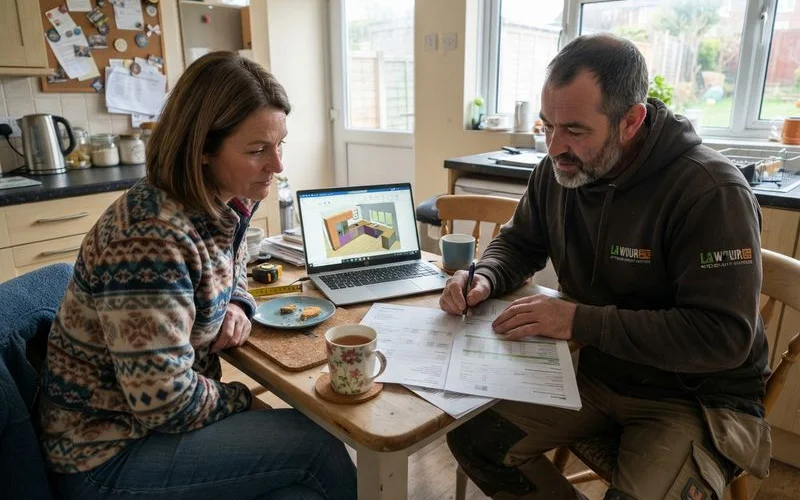
Paperwork and reviews get you most of the way, but a short call or an in-person meeting still tells you things a written quote can’t. Did they listen properly to what you actually want, or push a standard package regardless? Did they ask sensible questions about your property, its age, its access, before quoting, or give a number without really looking at the space? A fitter who takes the time to understand your specific job is generally the one who plans for it properly, rather than the one who’s fastest to reply.
Get two or three quotes for the identical scope of work before deciding, and if you’re still not sure who does what and to what standard, an in-person visit to see a finished kitchen is worth more than another round of photos. Our directory ranks Bristol’s kitchen fitters using a published scoring approach, weighing rating, review volume, recency and sentiment together rather than star average alone; see our scoring methodology for the detail behind how that works.
FAQ
- What questions should I ask a kitchen fitter before booking?
- Ask who is actually on site day to day, whether plumbing and electrical work is done in-house or subcontracted, how they handle unexpected problems once the old kitchen comes out, and for a written timeline. Ask to see a completed job in person if you can, not just photos.
- Is it a bad sign if a fitter can't give a written quote?
- Yes. A fitter who only gives a verbal figure, or refuses to itemise units, worktop, and labour separately, makes it hard to know what you're actually paying for and even harder to hold them to it later.
- How do I check if a fitter is any good before hiring them?
- Look for a consistent pattern across recent reviews rather than one or two glowing ones, ask how long they've been trading, and check whether they carry insurance for work on site. Recent, specific reviews mentioning how problems were handled tell you more than star ratings alone.
- Should I worry about a fitter asking for a large deposit upfront?
- A reasonable deposit to secure materials and a start date is normal. Be more cautious about a fitter asking for the bulk of the payment before any work has started, since that shifts most of the risk onto you if the job stalls.
Related on this site
- Browse kitchen fitting & installation providers
- Best kitchen fitting & installation in Bristol →
- What to expect from a kitchen fitting job, start to finish
- Renovating a rented or leasehold kitchen in Bristol: what's allowed
- Planning an accessible kitchen: adapting the space for mobility needs
- All guides →