How long a kitchen renovation takes and what affects the timeline
By Farah Moreau · Updated 2026-07-21
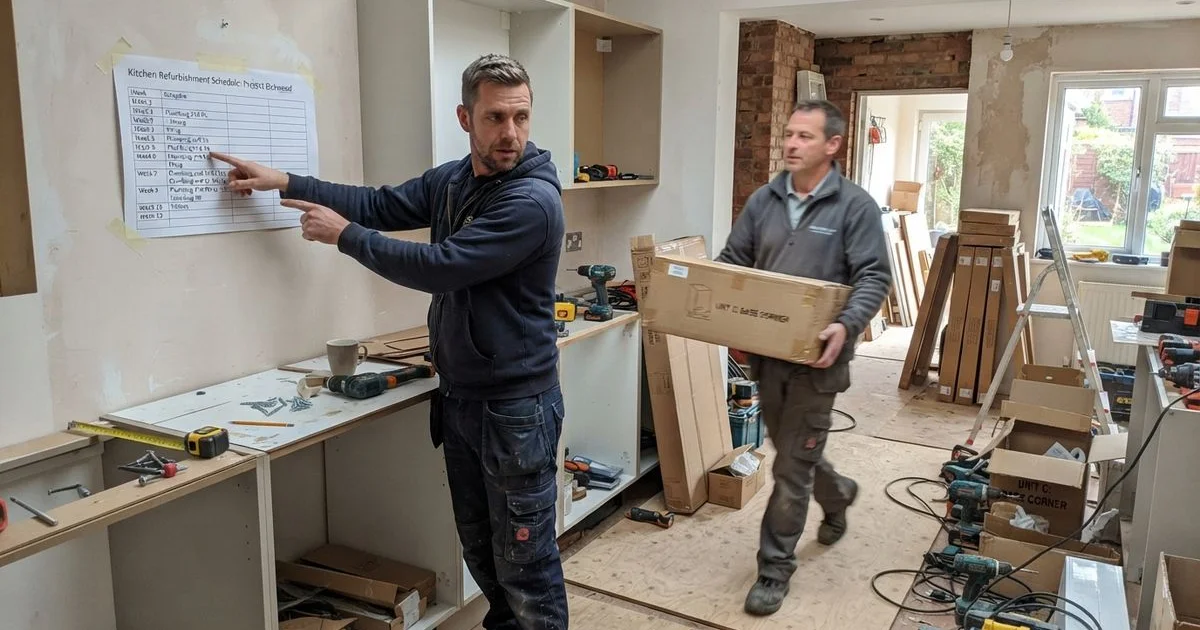
Once you’ve decided to renovate, the next question is almost always how long you’ll be without a working kitchen. The honest answer depends heavily on scope, but there’s a fairly predictable range once you know which category your job falls into.
Typical working days on site
| Scope of work | 12 sqm kitchen | 18 sqm kitchen |
|---|---|---|
| Like-for-like unit swap | 4 – 6 days | 6 – 9 days |
| Full refit, same layout | 7 – 9 days | 10 – 13 days |
| Full refit, plumbing/electrics moved | 10 – 13 days | 10 – 13 days |
These figures are working days once a fitting team is actually on site, not calendar time. A job scheduled around a fitter’s other commitments, or paused over a weekend, will span more calendar days than the working-day count suggests, so ask for both when you’re planning around having no kitchen.
What isn’t included in that number
The table above starts once fitting begins. It doesn’t cover:
- Design and sign-off time, which can be quick if you already know exactly what you want, or take several weeks if you’re still deciding on layout and finishes.
- Lead time for units and appliances, anywhere from a few days for flat-pack ranges to eight to sixteen weeks for bespoke, made-to-order cabinetry.
- Worktop fabrication, particularly for stone. Templating happens after base units are fixed, and fabrication typically takes one to two weeks before the worktop can be fitted.
Add these stages together and the gap between deciding to renovate and having a finished kitchen is usually measured in months, even though the on-site fitting itself might be under two weeks.
What stretches a timeline beyond the estimate
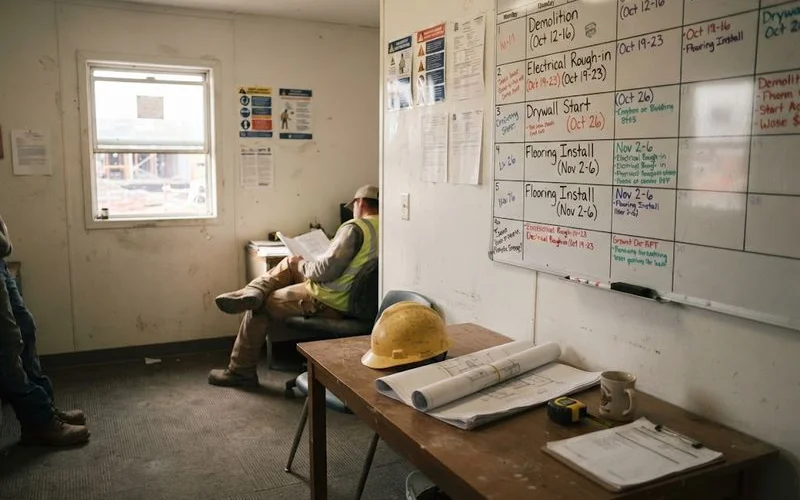
Materials arriving late. Stone worktops are the most common bottleneck, since templating can’t happen until units are fixed, and fabrication then adds further time before fitting can be completed.
Surprises during strip-out. Damp, structurally unsound flooring, or wiring that doesn’t meet current standards are more likely in older Bristol properties and usually can’t be diagnosed until the old kitchen is out.
Moving plumbing or electrics. Relocating a sink or hob point adds first-fix work that has to be finished, and sometimes inspected, before units go in, which slows the sequence down compared with reconnecting services in the same spot.
Structural changes. Removing a wall or extending the room adds its own separate timeline, often with building control involvement, on top of the kitchen fit itself.
Booking around your fitter’s other jobs. A well-regarded fitter is often booked weeks or months ahead, so the gap between confirming a start date and the job actually beginning can be longer than the fitting work itself, especially in busier periods of the year.
Timing the order to protect your schedule
Because manufacturing and fabrication lead times often dwarf the on-site fitting time, the biggest lever you have over your overall timeline is ordering early and confirming your design before you need to. If you’re working toward a fixed date, a house sale completion, a family event, work backward from that date using the longest lead time in your project, usually bespoke cabinetry or a stone worktop, rather than the fitting days alone. That single planning step avoids the most common cause of a renovation running later than expected: units or worktop simply not being ready when the fitting team is.
Planning around the disruption
Set up an alternative cooking and washing-up space before strip-out begins, since you’ll typically have no working kitchen for most of the on-site period. If you have a firm deadline, a holiday, hosting a family event, tell your fitter upfront so the schedule can be built around it, and ask specifically which stages are most likely to slip before you commit to a date.
For full kitchen renovation and remodelling firms working in Bristol, actual timelines vary with how busy a business is and how they sequence subcontracted trades, so treat the ranges here as planning guidance rather than a guarantee. Browse the Bristol kitchen fitters directory to compare local options, and see our scoring methodology for how firms are ranked.
FAQ
- How long does a kitchen renovation take?
- For a 12 square metre kitchen, a like-for-like unit swap typically needs around 4 to 6 working days on site. A full refit keeping the same layout usually runs 7 to 9 working days, and a full refit with plumbing or electrics moved often stretches to 10 to 13 working days.
- Does the timeline include design and ordering time?
- No. The figures above cover working days once the fitting team is actually on site. Design, ordering and lead time for units and appliances beforehand can add anywhere from a couple of weeks to several months, depending on whether cabinetry is off-the-shelf or made to order.
- What's the most common cause of delay?
- Materials arriving late, particularly stone worktops, which need a separate templating visit after units are fixed and then a fabrication lead time before fitting can finish. Unexpected issues found during strip-out, like damp or old wiring, are the other common cause.
- Can I speed up the timeline?
- Choosing units and worktop with shorter lead times, confirming your design early so nothing is decided mid-job, and keeping the layout unchanged all help. Structural work or relocated plumbing add time that's hard to compress safely.
Related on this site
- Browse full kitchen renovation & remodelling providers
- Best full kitchen renovation & remodelling in Bristol →
- Kitchen renovation budgets: where the money actually goes
- Do you need planning permission to remove a wall for an open-plan kitchen?
- What to expect from a kitchen fitting job, start to finish
- How the bespoke kitchen design process works, from consultation to fitting
- All guides →